The Skate Culture Impact
Skateboarding is far more than a physical activity; it is a creative subculture that has consistently dictated global trends in fashion, media production, and urban architecture. Its evolution is a testament to rebel ingenuity.
The Urethane Era and the Vert Boom
Skateboarding's origins are deeply intertwined with surfing. In the 1950s and 60s, surfers attached clay or metal wheels to wooden planks to "surf the streets" when the ocean was flat. However, these materials provided little traction and a violently jarring ride. The pivotal cultural shift occurred in the early 1970s with the introduction of the urethane wheel. Urethane absorbed shock and gripped concrete, allowing skaters to build tremendous speed and ride the steep, curved walls of empty backyard swimming pools during California droughts.
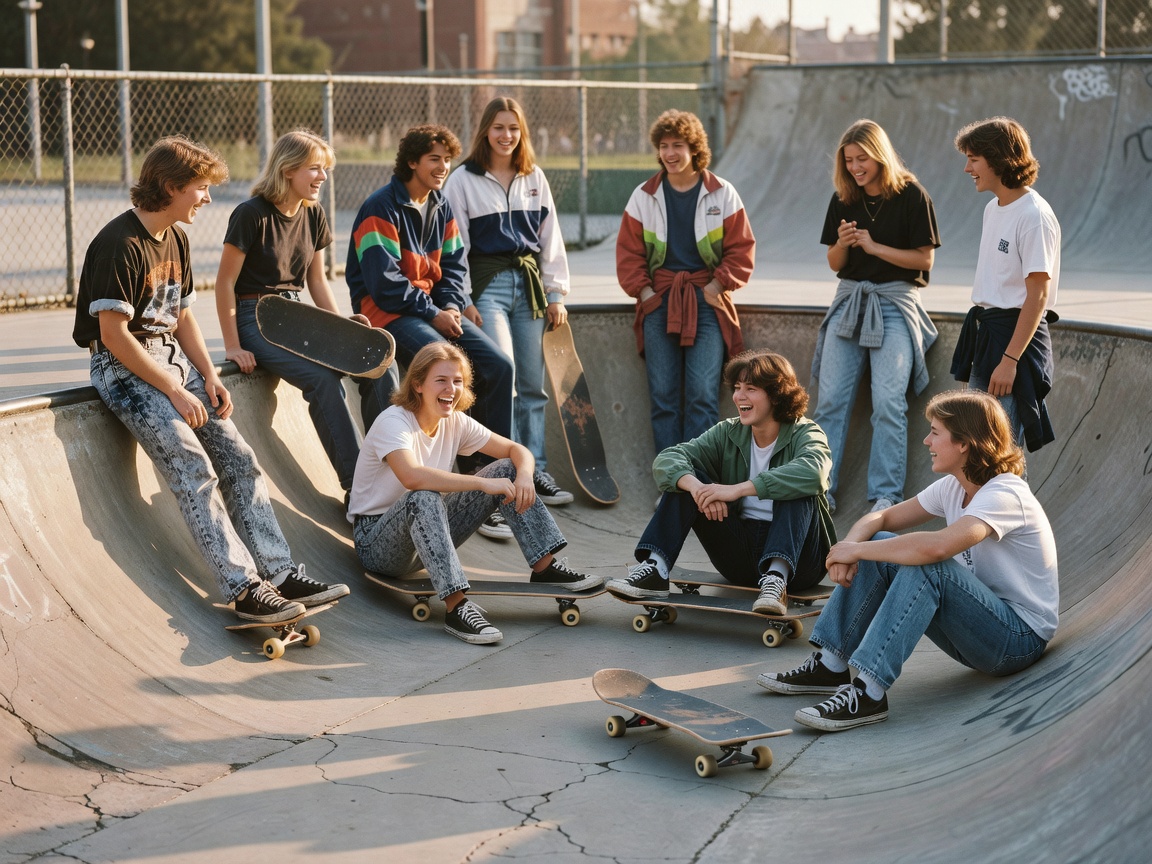
This pool-riding era evolved directly into the 1980s vert boom. Skaters built massive wooden halfpipes, and the sport became heavily commercialized, characterized by neon colors, stadium competitions, and the rise of superstar teams. The boards were wide, heavily contoured, and designed for grabbing mid-air.
The Street Skating Revolution
As the 1980s drew to a close, the financial viability of massive vert ramps collapsed, and the industry faced a severe recession. However, skateboarding did not die; it retreated to the streets. A new generation of skaters looked at urban infrastructure—handrails, benches, and concrete stairs—not as municipal property, but as a canvas.
This era redefined the skateboard deck into the symmetrical shape used today and popularized the technical flip tricks that define modern skateboarding. It also cemented the skater's antagonistic relationship with authority figures and property owners, framing skateboarding as a rebellious counterculture activity deeply rooted in independence.
The Video Part: The Ultimate Medium
Unlike traditional sports that rely on live scoreboards and stadium crowds, skateboarding measures success through the "video part." Beginning in the VHS era and continuing seamlessly into modern digital formats, a video part is a highly curated montage of a skater's most difficult tricks filmed at various street locations, synchronized to music.
Filming a video part is grueling. A single three-second clip of a skater landing a trick down a large stair set may represent hours, days, or even months of failed attempts, physical trauma, and confrontations with security guards. The video part stands as the ultimate portfolio, showcasing not just technical skill, but personal style and spot selection.
Fashion and Mainstream Adoption
Skateboarding's aesthetic has persistently infiltrated mainstream fashion. The baggy pants and durable canvas shoes required for freedom of movement and abrasive griptape resistance in the 1990s eventually became high-fashion streetwear. Independent skate brands have evolved into massive global empires, dictating trends far beyond the board.
Today, skateboarding exists in a unique duality. It retains its gritty, DIY street roots while simultaneously being recognized globally as an elite athletic endeavor, complete with Olympic representation. Despite this mainstream acceptance, the core culture remains fiercely protective of its history, valuing personal style and perseverance over standardized scoring metrics.